Why teleradiology kept radiologists reading through COVID-19
Writing in Diagnostic Imaging in 2020, Dhruv Chopra, then CEO of Collaborative Imaging (now CIVIE), argued that teleradiology had become one of the most practical ways for radiologists to keep working during the COVID-19 outbreak, and that it was likely to stay long after it.
The same workstation, at home
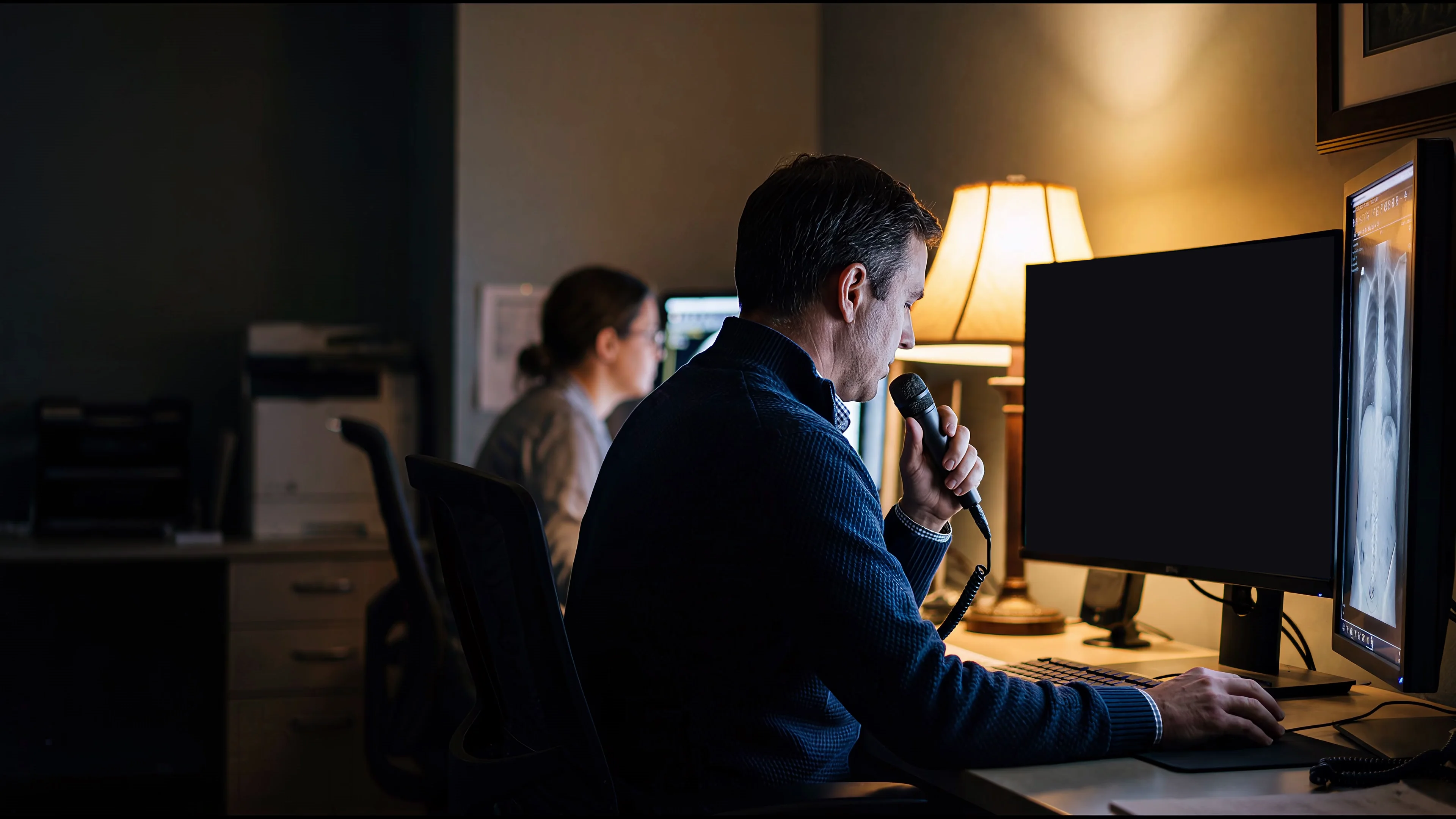
Chopra’s starting point was simple: a home teleradiology setup gives radiologists the same functionality as their onsite hospital workstation. They can read images, generate reports and talk to referring physicians as they would in the hospital, without the contact. He added that, away from the distractions of a hospital reading room, radiologists can be more productive.
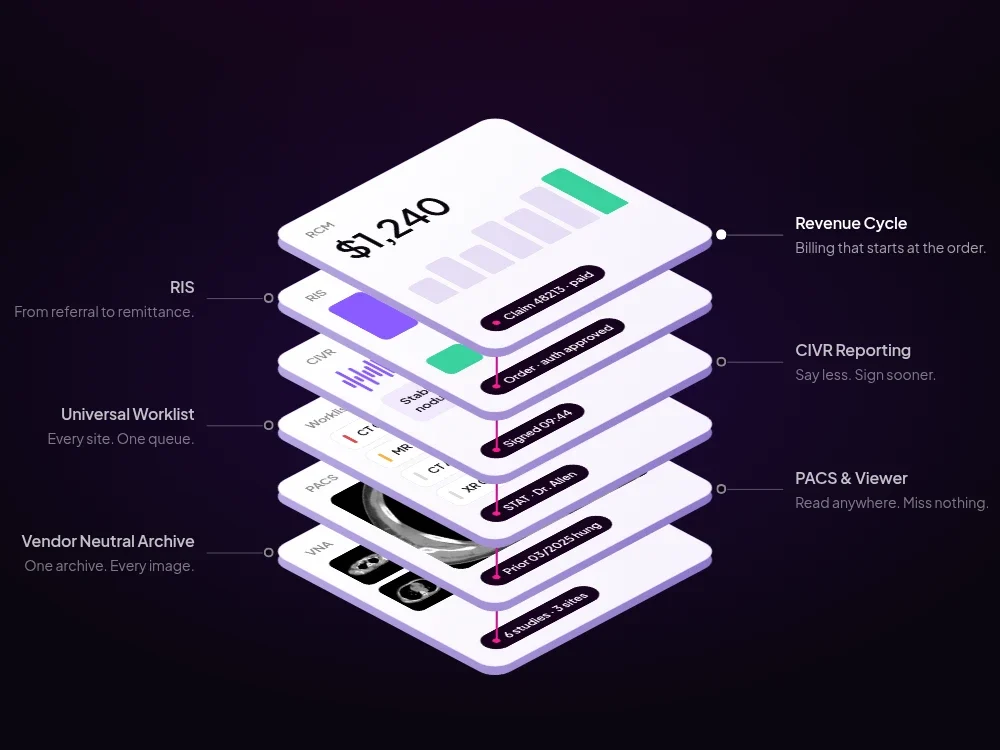
He described Collaborative Imaging’s cloud-based workstations and mobile apps, which let radiologists and physicians reach diagnoses, reports and images from anywhere through a cloud-based PACS. Many of the alliance’s partnered radiologists had already started viewing images at home, dictating with voice recognition and signing reports electronically.
A clinical role, not just a convenience
The piece pointed to radiology’s part in the outbreak itself. The first U.S. patient with lab-confirmed disease was diagnosed in part with chest radiography, and treatment included further chest imaging. As cases rose, Chopra wrote, COVID-19 images could be read remotely to help guide treatment.
Policy caught up
Two federal changes made remote reading easier. The Department of Health and Human Services broadened access to Medicare telehealth services, and a temporary relaxation of in-state licensing requirements allowed radiologists to read across state lines.
Chopra was candid about the volume picture. Routine outpatient X-rays and overall imaging volumes had dropped as people followed stay-at-home orders. He expected demand to return as facilities needed help detecting and treating COVID-19, and argued that teleradiology would let more reads get done with faster turnaround.
A lasting shift
His closing prediction was that teleradiology “may become the new industry norm long after the pandemic is neutralized.” As physicians got used to working with radiologists remotely, he expected it would be hard to go back. He was also measured: teleradiology isn’t the only answer to the crisis, but it could be an important step.
Remote reading and coverage are still central to how CIVIE supports teleradiology.
Source: “Teleradiology’s Role During COVID-19,” Dhruv Chopra, Diagnostic Imaging, April 22, 2020.