On The Futurist: why AI is rebuilding radiology, not replacing it
In The Future of Radiology: Out of the Dark Room, released on November 24, 2026, The Futurist host Ian Khan goes to Chicago to find out what happened after some of the best-known voices in AI said radiology was finished. His answer is that the profession did not disappear. It is being rebuilt.
A prediction that missed
The forecast was simple: computers were getting good at reading images, so radiologists would no longer be needed. The episode finds the opposite. Demand for imaging kept growing, and the real strain is too few radiologists doing too much work on tools built for the era of film and dark rooms.
Three voices from radiology
CIVIE CEO Dhruv Chopra, who started his career in radiology as a courier for a small practice, explains what CIVIE is building and why it matters. “I do not see AI replacing radiologists at all,” he says.
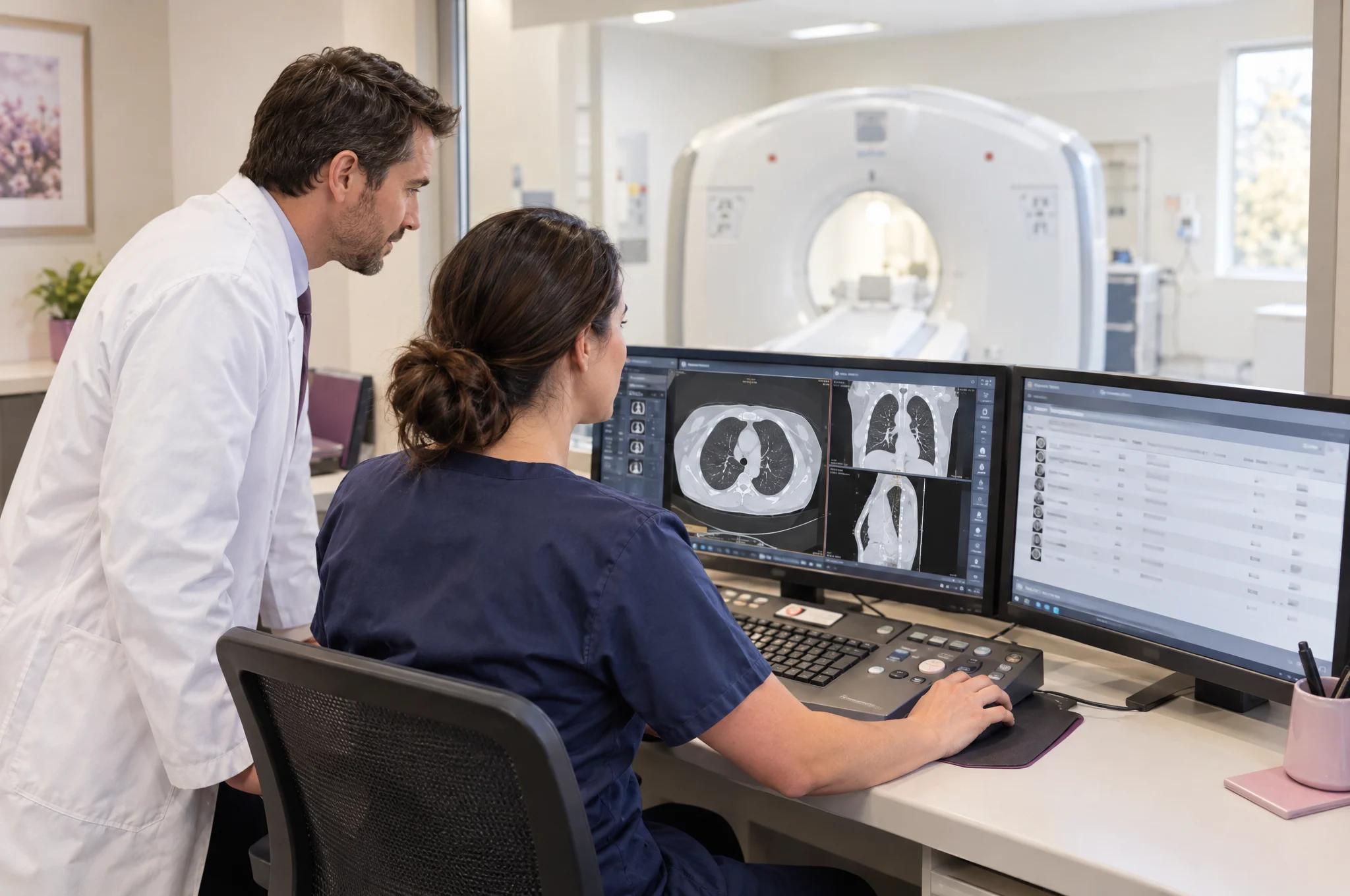
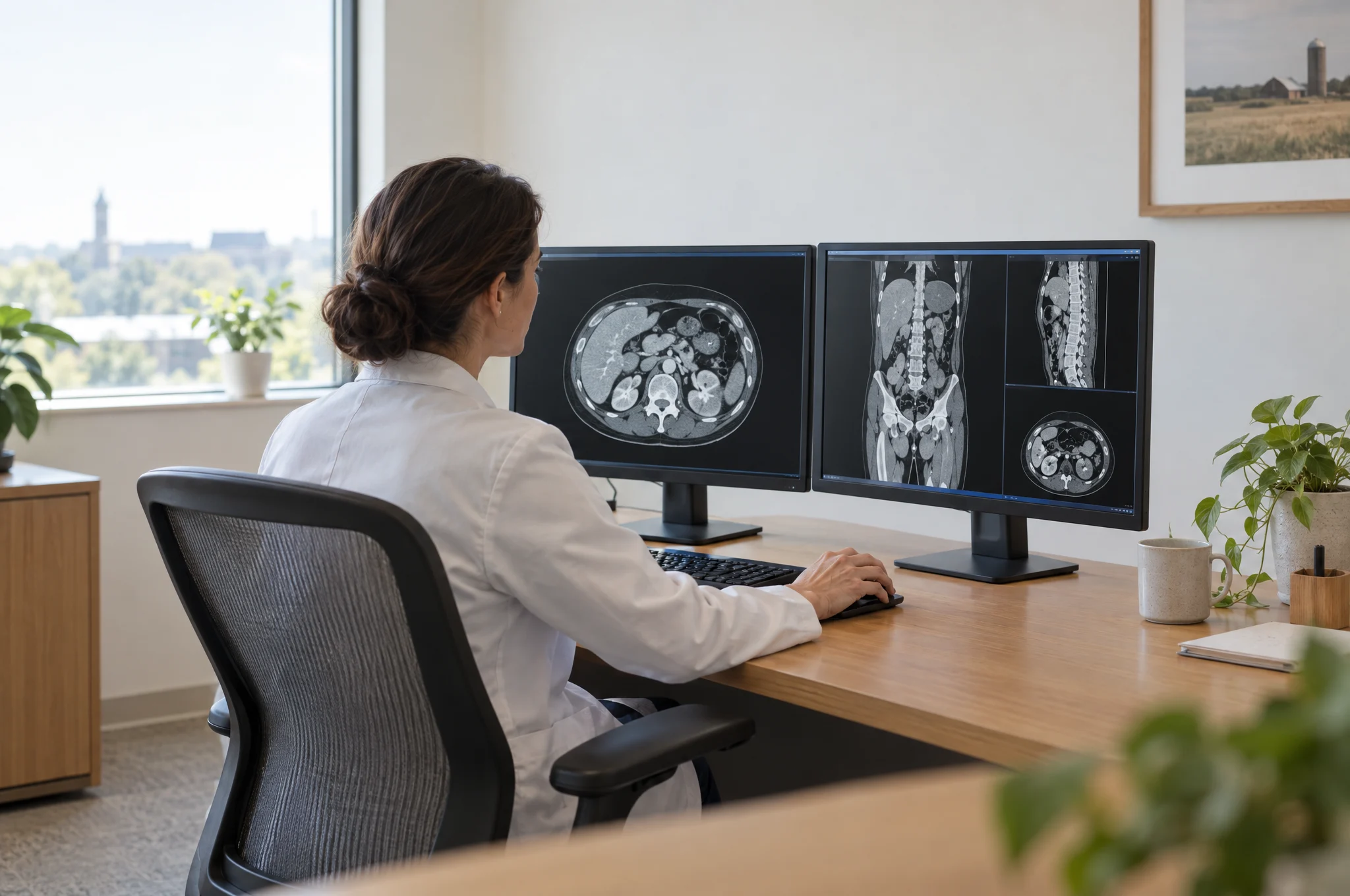
Sunil Patel, MD, MBA, a hospital chief medical officer, describes what changes for a hospital when the system around the radiologist gets fixed. Breast radiologist Deepa Sheth, MD, takes viewers into the reading room, shares the pain points she has lived through and explains why she is optimistic about what AI means for her specialty.
One platform around the radiologist
Ian compares a radiology department to a relay race. An order comes in, the exam is scheduled, the images are stored, a radiologist reads them and the bill goes out. In many hospitals, each handoff runs on a different system.
The episode shows CIVIE putting those steps on one platform: scheduling, one archive and viewer, one worklist across sites, AI-assisted reporting and billing that codes claims from the report. It also covers RadPod, CIVIE’s on-demand network of radiologists who read for hospitals remotely. The rule underneath is that AI handles the busywork and the radiologist makes the call.
A lesson beyond healthcare
Ian closes with a point for leaders in any field. AI replaces tasks, not professions, and the bottleneck is usually the workflow around experts rather than the algorithm. Fix that, he argues, and their capacity grows.